In a planned community, board members have broad authority to make decisions and govern, leading to a risk of HOA board abuse of power. It is important to have internal controls in place to prevent this possibility. Failure to address abuse of power can lead to legal issues, both for the association itself and the board members.
What is HOA Board Abuse of Power?
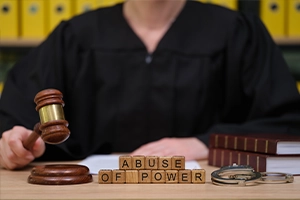
Within the context of an association, abuse of power occurs when the board uses its authority in an unfair, excessive, or unauthorized way. Board members have the power to enforce rules, collect dues, and manage common areas. These are a significant part of their duty to maintain the community.
Problems can quickly arise when boards act without proper authority or fail to follow proper procedures. It is worth noting that there is a clear difference between enforcing rules and overreaching. Enforcement must follow state laws and the governing documents. Rules must be applied evenly and consistently.
HOA or condo board abuse of power often occurs when the board ignores these standards and procedures, relying instead on personal biases or poor judgment. When this happens, owners can take legal action against the association. Some board members may even find themselves personally liable.
Common Examples Of HOA Board Member Abuse of Power
Abuse of power often begins with ignorance or a lack of knowledge. Board members might already be abusing their authority without knowing it. Understanding how HOA board abuse of power can manifest itself is the first step in prevention.
Here are the most common ways board members may overreach.
1. Selective Enforcement of Rules

Perhaps the most common incident of power abuse is selective rule enforcement. Board members are tasked with upholding community standards and enforcing penalties for violations. Of course, fair and consistent enforcement is mandatory.
When the board enforces a rule against one owner but not the other, or when it enforces only select rules, it can lead to discrimination claims. It can even invalidate the rules altogether, making them unenforceable.
2. Improper Fines
Before a board fines an owner for a violation, it must provide written notice and an opportunity to be heard. This is a requirement for associations, particularly in Virginia, as per Section 55.1-1819 (for HOAs) and Section 55.1-1959 (for condos). If the board skips these steps, it can be construed as overreaching.
3. Unauthorized Decisions
Boards must always make decisions and act within the scope of their authority, as outlined by state laws and their governing documents. For example, amending the CC&Rs generally requires membership approval. Ignoring this step can invalidate the amendment and lead to claims of breaching fiduciary duty.
4. Lack of Transparency
Board members must practice transparency in their decisions and financial matters. In fact, homeowners have a right to inspect the association’s records, including financial reports, budgets, reserve summaries, and meeting minutes. When boards fail to comply with records requests, homeowners will start asking questions and challenging the board.
5. Abuse of Executive Sessions
Boards are generally allowed to hold closed board meetings, but only for select agenda items. Some boards misuse executive sessions by discussing non-confidential matters and intentionally failing to share information with homeowners. This reduces transparency and can damage homeowner trust.
6. Retaliation Against Homeowners
Retaliating against owners is a prime example of HOA board member misconduct. When a board member targets a particular owner, usually because they filed a complaint or disagreed with the board, it crosses a clear line.
How to Prevent HOA Board Abuse of Power
Boards can take several steps to prevent overreach and ensure fair governance. These include the following:
1. Follow Governing Documents Consistently
Boards must always adhere to state laws and the governing documents. Consistent application is paramount to prevent claims of unfair treatment or lack of due process.
2. Establish Clear Enforcement Policies
Enforcement policies must be standard and in written form. This makes the procedure fair for all homeowners, even when board seats transition. Such policies should outline how violations are handled. Moreover, boards must follow them to the letter.
3. Ensure Transparency
Transparency helps build trust and credibility. Boards should share financial reports, meeting agendas, and decisions with homeowners. Even without a records request, proactive sharing shows owners that the board has nothing to hide.
4. Provide Proper Notice and Hearing Procedures
Before taking enforcement action, boards must give proper notice and allow homeowners to respond. This protects both the board and the owner, as it is a requirement under Virginia law and most governing documents.
5. Keep Detailed Records of Everything
Proper documentation provides a clear history and creates a paper trail. Boards must keep copies of all meeting minutes, correspondence, notices, receipts, actions, and decisions. These records must be accurate, as they can help resolve disputes or answer questions later on.
6. Avoid Conflicts of Interest
Conflicts of interest are more common in small towns or cities where everyone knows each other. That said, they do happen even in larger municipalities.
Proper disclosure is necessary, followed by a recusal from the discussion and vote. When board members fail to disclose any personal interests, they risk breaching their fiduciary duty. Before long, owners will question their credibility and fairness.
7. Seek Legal Counsel When Necessary
Board members are only volunteers, which means they don’t always have sufficient legal expertise. When in doubt, it is best to seek legal counsel from an experienced HOA attorney. This helps ensure compliance with state laws, governing documents, and proper procedures.
8. Adopt a Code of Conduct
Is an HOA board member unethical? To combat this, boards should implement a code of conduct that outlines the expectations for board behavior and decision-making. While not legally enforceable, this code can help maintain standards within the board.
9. Encourage Accountability
Accountability also plays a key role. Boards should adopt checks and balances to keep each other accountable. Additionally, boards should be open to getting feedback from the community.
10. Conduct Board Training
Ongoing education helps board members stay informed and up to date on industry best practices. There are many training programs that can improve decision-making and reduce the risk of abuse.
11. Work With a Professional Management Company
Management companies provide guidance and administrative support to self-managed communities. Their experience can help boards avoid common mistakes, including overreach. They can ensure consistent enforcement, legal compliance, and proper documentation. Most companies also offer legal counsel and board education.
Up to the Board
HOA board abuse of power can exhibit itself in many ways. Learning how to identify it is important so that boards can take action before the problem worsens. By implementing certain strategies, boards can prevent overreach and maintain fairness in the community.
Keymont Community Management offers expert management services to associations in Virginia, Maryland, and Washington, DC. Call us today at 703.752.8300 or request a proposal to start your journey!
RELATED ARTICLES:
- HOA Meetings: How Boards Should Prepare For Productive Meetings
- Handling HOA Violations: A Guide For Virginia HOA Boards
- 13 Common Issues In A HOA That The Board Must Be Ready For