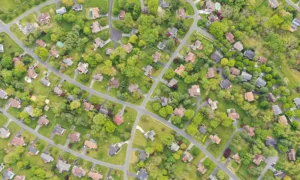
Dealing with HOA violations is something every board runs into. It is not always pleasant, but it’s part of the job. Board members need to know how to handle violations fairly and consistently. Otherwise, it can pose certain legal risks for the association.
What are HOA Violations?
Homeowners association violations occur when a resident breaks a community rule. These rules are written in the governing documents, including the CC&Rs, bylaws, and rules and regulations.
In Virginia, both the Virginia Property Owners’ Association Act and the Virginia Condominium Act give boards the power to enforce these rules. Still, there are limitations as to what board members can do.
Boards have to follow due process. This means providing notice first, a chance to fix the problem, and a hearing before deciding to levy any fine or penalty. Skipping any of those steps can land the association in trouble.
What are the Common HOA Violations?
Violations can vary from one community to another, depending on the type of rules the association has. That said, here is a list of HOA violations that are more common than others.
1. Property Maintenance
This one tops the list almost everywhere. Overgrown grass, dirty driveways, chipped paint — all of it can bring down curb appeal. Property upkeep isn’t just about looks. It also protects property values across the whole neighborhood.
2. Architectural Changes
Outside of an HOA, homeowners usually have free rein over renovations and additions. In contrast, HOAs have architectural standards that homeowners must adhere to.
If an owner wants to modify their home, particularly the exterior, they must usually ask for approval first. Additionally, these modifications must comply with the community’s architectural standards. Skipping the architectural request process can result in a violation.
3. Parking
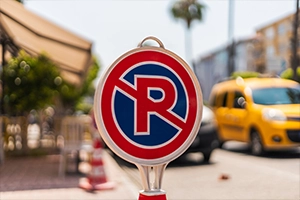
Many associations have parking rules, such as no blocking driveways, no lawn parking, and limiting the number of cars per spot. Some HOAs also limit guest parking or the length of time a vehicle can remain in the same parking space.
4. Noise
In many communities, residents aren’t allowed to make too much noise. There are quiet hours that everyone must follow. That means no loud parties, blasting music, or barking dogs.
Noise complaints are particularly prevalent in townhomes and condos, where residents live close together. In addition to HOA rules, consider local noise ordinances.
5. Pets
Associations usually have pet rules, too. Owners must keep their pets leashed outside of the home, pick up after them, and ensure they’re not aggressive. Many communities also place limits on the number, type, or breed of pets.
6. Rentals
Many associations now have rules against short-term rentals or require prior approval for leasing. When someone rents out their unit without following policy, it’s a violation. The goal isn’t to stop owners from earning income. Instead, it’s to prevent high turnover that affects stability.
7. Exterior Decor
Flags, holiday decor, and yard ornaments fall under this one. Most associations allow some freedom, but it is always within limits. For example, under Virginia Code Section 55.1-1820, boards can’t ban the U.S. flag, but they can regulate its display.
8. Garbage
It might sound minor, but garbage issues can cause a lot of tension. Overflowing bins, trash left out too early, or not pulled in after pickup — all of this can affect appeal and attract pests.
How to Handle HOA Violations
Boards should deal with violations in a fair and consistent manner. It’s never a good idea to antagonize residents, pick favorites, or let things slide. Instead, boards should practice calm and professional enforcement.
The enforcement process typically starts with a violation notice, followed by a disciplinary hearing. After that, the board decides whether to push through with a penalty. Let’s discuss this process below.
1. HOA Violation Notice

The first step is to send a written notice. It should describe what happened, what rule was broken, and what needs to be fixed. Under Section 55.1-1819, owners must get a fair chance to correct the issue before receiving any penalty.
Boards should set a reasonable deadline, such as 10 or 30 days, depending on the problem. Adding photos helps, too. This will help keep everything clear and avoid confusion for the owner.
2. Opportunity to be Heard
Before any fine or suspension, owners must have the opportunity to attend a disciplinary hearing. This hearing is required under Section 55.1-1819. The board must send written notice of the hearing at least 14 days in advance.
During the hearing, the board should stay neutral and listen. It’s also a good idea to take minutes of the hearing to help protect the association if things escalate later on.
3. Decision and Penalty (If Applicable)
After hearing out the owner, the board will then vote on the decision. If the board determines that a violation occurred, it can fine the owner or suspend certain privileges. It is vital to put this decision in writing and send it to the owner within seven days.
Additionally, any fines or penalties must adhere to the governing documents. If the CC&Rs limit fines to $50, for example, the board can’t impose a $100 charge. Failure to follow the governing documents can invalidate the board’s decision.
What Happens When Homeowners Commit a Violation?
When an owner breaks the rules and doesn’t fix it, the board might issue an HOA citation. After notice and an opportunity to be heard, the board may impose a penalty.
Here are the potential penalties homeowners face after committing a violation.
1. Fines
Fines are the most common penalty. Their purpose is to encourage compliance, not to punish offenders. Virginia law does allow associations to levy fines, but only after proper notice and a hearing. Furthermore, the amount should be fair and reasonable.
2. Suspension of Privileges
Boards can also suspend access to community amenities, like pools or clubhouses, until the owner complies. Voting rights can also be suspended, depending on the bylaws.
3. Legal Action

When all else fails, legal action might be the last option. Under Section 55.1-1819, associations can go to court to enforce the rules. If the court sides with the HOA, it can order compliance and make the homeowner pay legal fees.
Reporting HOA Violations
A good enforcement process starts with a clear reporting system. Without one, things can get personal real quick. Here are the top strategies to adopt for the reporting of violations.
1. Establish a Standard System
Boards should have a clear way for residents to report violations. Online forms, email, or paper reports all work, as long as they are uniform. Reports should include basic details like the date, time, and what happened.
2. Ask for Supporting Documents
Photos or witness statements help confirm what’s true and what’s not. They also make it easier to follow up without turning it into a “he said, she said” situation.
3. Investigate
Before sending a violation notice, the board or manager should investigate the complaint. They should never make assumptions, as that can lead to disputes. Verifying the complaint is an essential part of due process.
4. Ensure Anonymity
Some homeowners don’t want to be named when reporting issues, especially when it’s about a neighbor. Boards should allow anonymous reports when possible. This encourages people to come forward without fear of retaliation.
Can Homeowners Fight an HOA Violation?
Yes. Owners can challenge violations if they believe the board is wrong. They can request a hearing, submit evidence, or appeal the board’s decision if the bylaws allow it.
Board members should be ready for when homeowners fight their violations. If the owner proves their case, the board should correct it. Refusing to listen can lead to bigger problems, even lawsuits.
When an owner refuses to comply after every step, the association can escalate to additional fines or court action. Still, most problems don’t need to go that far. Good communication early on can solve a lot before it becomes a battle.
The best defense for a board is always consistency. It also helps to have a community manager or lawyer on retainer to navigate difficult situations.
Navigating Rule Violations
Every community encounters HOA violations from time to time. The important thing is for the board to know how to handle them consistently and professionally. When in doubt, hiring professional help is a good option.
Keymont Community Management offers expert management services to associations in Virginia, Maryland, and Washington, DC. Call us today at 703.752.8300 or request a proposal to start your journey!
RELATED ARTICLES:
- Unenforceable HOA Rules In Virginia
- What Is A Homeowners Association? A Beginner’s Guide To HOAs
- How To Choose The Right HOA Management Company