Board members can look into securing grants for HOAs to reduce the financial burden on homeowners. While grants are not available for every association or every type of project, they can provide valuable financial assistance for eligible improvements. It is important to learn where to look and how to apply for these grants to increase an association’s chances of funding.
What are Grants for HOAs?
Homeowners association grants are funds provided by government agencies, nonprofit organizations, or private foundations to support projects that benefit communities. Unlike loans, grants generally don’t need to be repaid as long as the recipient follows the program’s requirements.
Most grants are awarded for specific purposes. This means that HOA boards generally can’t use grant money to pay for operating expenses, such as insurance, routine maintenance, and office supplies.
Depending on the program, common grant funding purposes include:
- Energy efficiency improvements
- Disaster mitigation projects
- Environmental conservation
- Accessibility upgrades
- Stormwater management
- Community revitalization
- Infrastructure improvements
Moreover, many grant programs require associations to match the funds awarded. This means that the HOA must cover part of the project’s costs, with the grant covering the rest.
Are There Grants for HOAs?
Finding grant opportunities for HOA communities can be challenging because only a few programs are designed specifically for HOAs and condos. Most federal grants target state agencies, local governments, nonprofit organizations, or public entities instead of private residential associations.
That said, an HOA may still benefit by applying directly when it meets eligibility requirements. Another way is to partner with a municipality, nonprofit, or public agency.
Here are some federal grants for HOAs.
1. Energy Efficiency and Conservation Block Grant (EECBG)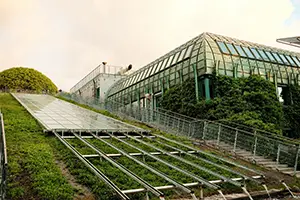
The Energy Efficiency and Conservation Block Grant Program helps reduce energy use and improve energy efficiency. While individual HOAs are generally not direct recipients, local governments that receive EECBG funds can partner with residential communities on qualifying projects.
These include energy-efficient lighting, solar initiatives, electric vehicle charging infrastructure, and community energy improvements.
2. HUD Community Development Block Grant (CDBG)
The Community Development Block Grant program remains one of the federal government’s largest community development initiatives. Associations usually can’t receive CDBG funding directly. That said, they may benefit when local governments use grant funds for projects that involve neighborhood infrastructure, sidewalk improvements, stormwater systems, accessibility projects, and community facilities.
3. NeighborWorks America
NeighborWorks America funds affordable housing and neighborhood revitalization efforts. Most grants are awarded to NeighborWorks network organizations rather than the HOAs themselves. That said, associations may still participate by partnering with eligible local organizations.
4. FEMA National Dam Safety Program
FEMA provides grants that support dam safety through the National Dam Safety Program. This funding is generally intended for state agencies or eligible dam owners rather than typical HOAs. That said, associations that own dams or reservoirs that qualify may be able to participate if they meet program requirements.
Grants for HOAs in Virginia
Virginia does not offer many grant programs exclusively for HOAs, but some state and regional programs do support projects that involve community associations. Here are the notable ones.
1. Resilient and Connected Appalachians Grant Program
This grant program supports land conservation projects throughout eligible portions of Virginia’s Appalachian region. Eligible applicants include nonprofits, municipalities, tribal organizations, academic institutions, and certain local agencies. While most HOAs are not eligible on their own, an association can partner with an eligible organization if it owns conservation land.
2. Virginia Private Landowner Assistance Programs
Virginia’s Department of Forestry offers technical assistance and, in some cases, financial assistance for private landowners interested in forest stewardship, wildlife habitat improvement, tree planting, and other conservation practices. Associations that own significant wooded common areas may qualify for certain landowner assistance programs.
3. Virginia Energy Programs
Virginia also administers several energy-related grant opportunities using federal funding. While many are directed toward local governments, some projects that involve residential communities can become eligible through partnerships.
Grants for HOAs in Maryland
Maryland does not currently offer statewide grant programs specifically for HOAs. That said, associations may qualify for certain environmental or conservation programs when they own forests, wetlands, stormwater facilities, or stream restoration projects.
In addition, many Maryland counties offer local grant programs for tree planting, watershed protection, stormwater improvements, and environmental restoration. Associations should also monitor county government announcements for new funding opportunities.
Grants for HOAs in Washington, DC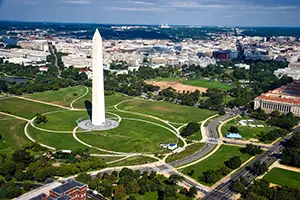
Washington, DC, does not currently maintain grant programs specifically for HOAs or condominiums. That said, depending on the project, associations may find more general opportunities that support environmental conservation or sustainability.
How to Apply for HOA Grants
To successfully obtain a grant for HOAs, board members must follow the steps below.
1. Check Eligibility Requirements
First, associations must read through the eligibility rules and requirements of every program. Do this before investing time in preparing an application. Some grants only accept applications from government agencies or nonprofits, while others do allow partnerships with HOAs.
2. Choose Grants Wisely
Boards should prioritize grants that match the association’s plans. It is not recommended to apply for every available grant, as that will only waste time and resources. Instead, focus on opportunities that align with the community’s budget, goals, and projects.
3. Make Preparations
Before submitting an application, association boards must gather supporting materials. These typically include the governing documents, project descriptions, cost estimates, contractor proposals, engineering reports, financial statements, and even board resolutions. When documents are properly organized, it is easier to construct a well-rounded letter.
4. Write a Grant Letter
Many grant applications require a written proposal. This proposal should explain the community’s needs, the proposed project, expected public benefits, the budget, the timeline, and any long-term maintenance plans. When writing this letter, the board should use clear language and provide supporting data.
5. Track and Report Expenditures
Work doesn’t stop after the association receives a grant. This type of funding usually comes with added responsibilities. Many providers require associations to document their expenses, provide progress reports or updates, and prepare a final completion report. Board members must monitor these items closely and keep accurate records at all times.
Other Funding Options for HOAs
Grants can be financially helpful to any association, but they should not be the only funding strategy. Apart from grants for HOAs, boards can also consider the following alternatives:
- Reserve funds for planned capital replacements
- Special assessments approved under the governing documents
- Bank loans or lines of credit
- Municipal partnerships
- Utility company rebates
- Manufacturer incentives for energy-efficient equipment
- Insurance proceeds for covered losses
- State revolving loan programs for certain infrastructure projects
In the End
Grants for HOAs are not available for every community or every project, but they can significantly reduce the cost of certain improvements. Associations should carefully research federal, state, and local programs, but still remain practical about eligibility. Boards should plan ahead, prepare data, and partner with public agencies whenever possible.
Keymont Community Management offers expert management services to associations in Virginia, Maryland, and Washington, DC. Call us today at 703.752.8300 or request a proposal to start your journey!
RELATED ARTICLES:
- Should And Can The Board Invest HOA Reserve Funds?
- Is Your HOA Going Broke? Here’s The Truth About HOA Bankruptcy
- How Much Can HOA Fees Increase?