Every now and then, homeowners might encounter an HOA special assessment. It is essential to understand what these assessments are, how they work, and why an association might need them. Similarly, HOA boards should be aware of the limitations of these assessments.
What is an HOA Special Assessment?
A special assessment is a one-time fee that an association charges under certain conditions. This is an additional fee in addition to regular dues. While associations typically levy a lump sum, some allow owners to pay this assessment in installments.
HOA Assessment vs HOA Fees
There are two types of assessments: regular and special. Regular assessments are more commonly referred to as HOA fees or dues. These are fees that homeowners pay on a monthly, quarterly, or annual basis.
Regular dues cover the cost of day-to-day operating expenses. A portion of these dues can also be allocated to the HOA’s reserve fund.
In contrast, special assessments aren’t paid regularly. Instead, associations charge them under certain circumstances. They can cover everything from unanticipated costs and budget deficits to underfunded reserves and emergencies.
Can an HOA Charge a Special Assessment?
Whether a homeowners association has the authority to charge a special assessment depends on two factors: state laws and the governing documents. In Virginia, HOAs have the power to levy special assessments under Section 55.1-1825 of the Property Owners’ Association Act.
If state laws are silent, boards should refer to their association’s governing documents. The CC&Rs and bylaws, in particular, should dictate the association’s authority to levy this assessment. Additionally, these documents typically detail HOA special assessment rules.
The Need for an HOA Special Assessment
While HOA special assessments can be frustrating, they often become necessary in certain situations. These situations usually involve a budget shortfall, unanticipated expenses, a high delinquency rate, insufficient reserve funds, special projects, and emergencies.
Let’s break these down below.
1. Budget Shortfall
A common reason for levying an HOA special assessment is a poorly planned budget. If the board underestimates operating expenses or overlooks key costs, the regular dues won’t be enough to cover the bills.
Mistakes, such as not accounting for inflation or ignoring rising vendor fees, can result in a shortfall. When this happens, the board has little choice but to impose a special assessment to meet financial obligations.
2. Unanticipated Expenses
Unexpected costs can disrupt even the most carefully planned budget. A sudden roof leak in the clubhouse, a major plumbing issue in common areas, or increased insurance premiums can all require immediate funds. If the annual budget does not include room for these unexpected expenses, the board may need to rely on a special assessment to cover the costs.
3. High Delinquency Rate
When too many homeowners fall behind on their dues, it can affect the association’s cash flow. The community still needs to pay for services like landscaping, trash removal, and utilities. If a significant number of accounts remain unpaid, the board may issue a special assessment to cover the shortfall.
4. Insufficient Reserve Funds
Reserve funds are set aside for long-term repairs and replacements. If these reserves are too low or depleted, the association may not be able to cover large expenses, such as repaving roads or replacing the roof.
In such cases, the association may need to levy a special assessment to cover the cost of repairs. Additionally, special assessments can be a means of meeting reserve fund requirements.
5. Special Projects
Sometimes, the board wants to improve the community by adding amenities or upgrading facilities. These projects might include installing security gates, updating the clubhouse, or building a new playground. Since these aren’t part of the regular budget, the board may issue a special assessment to cover the costs.
6. Emergencies
Natural disasters, vandalism, or sudden infrastructure failures can prompt an HOA to adopt alternative measures. Insurance might not cover everything. In these emergencies, a special assessment may be necessary.
Is There an HOA Special Assessment Limit?
Generally, there is no limit to the amount an association can charge in special assessments. The board must make decisions in the best interest of the community, even if that means levying a hefty extra fee.
That said, some state laws and governing documents may impose a vote requirement. In such cases, the board would need membership approval to charge a homeowners association a special assessment above a certain percentage or amount.
How Often Should an HOA Charge a Special Assessment?
Homeowners associations should rarely charge special assessments. A competent board shouldn’t have to rely on extra assessments all the time to meet the association’s financial needs.
If an HOA plans its budget correctly, minimizes delinquencies, accounts for contingencies, and meets reserve fund requirements, then there would be no reason to turn to special assessments. Too frequent special assessments signal poor management and can even indicate illicit activity.
What Happens When You Don’t Pay HOA Special Assessments?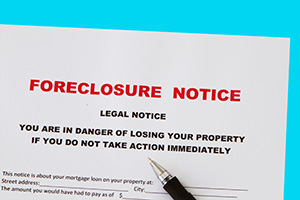
Homeowners who don’t pay special assessments stand to face certain consequences. These include late fees or interest charges, suspension of privileges, legal action, liens, and even foreclosure.
Many associations hire a collection agency to settle delinquent accounts. The agency charges a flat rate or takes a percentage of the collected amount as payment. Most agencies also report delinquencies to credit bureaus so that owners might see a drop in their credit score.
Board members should confirm that state laws and their governing documents allow liens based solely on special assessments. Furthermore, there may be a minimum amount of money and time for a delinquency before the HOA can record a lien.
HOA Loans vs Special Assessments
Associations typically charge special assessments when they need an injection of cash, but there is another option — HOA loans. Some communities opt to take out bank loans instead. That said, there are considerations for both sides.
Special assessments are usually better if:
- Homeowners are willing to pay;
- The association needs funds quickly; and/or,
- The association wants to avoid long-term financial obligations.
Loans are usually better if:
- The association wants to reduce the immediate financial impact on homeowners;
- It would take longer to collect special assessments, especially with a high delinquency rate; and/or,
- The association needs a large cash influx.
Loans come with interest and fees, but repayment models usually spread out the financial obligation over several years. They also ease the burden on homeowners and allow the HOA to pay for expenses without dipping into its reserves.
On the other hand, special assessments don’t come with interest rates and tend to be simpler. Still, many associations avoid them because they can be burdensome to owners and can trigger disputes. Additionally, if the HOA already has a high delinquency rate, adding another financial obligation may lead to even more defaults.
The Final Word
A special assessment can be particularly helpful in times of financial difficulty. Due to its implications, association boards should consider all options and weigh the pros and cons before making a decision.
Keymont Community Management offers expert management services to associations in Virginia, Maryland, and Washington, DC. Call us today at 703.752.8300 or contact us online to get started!
RELATED ARTICLES:
- HOA Board Of Directors: Roles, Duties, And Fiduciary Responsibilities
- The Essential Guide To HOA Documents: From CC&Rs To Bylaws
- How Much Can HOA Fees Increase?