A water leak in condo communities can create confusion, property damage, and disputes between residents and the association. Water can travel quickly through shared walls, ceilings, and floors. This makes it difficult to identify the source and determine who is responsible. Understanding who must repair the problem and pay for damages can help prevent conflict down the road.
Who is Responsible for Water Leaks in Condos?
Condominium ownership works a little differently from single-family homes. In condos, maintenance responsibility is not always set in stone. The governing documents, insurance policies, and the source of the leak can all influence the result.
So, who is responsible for water leak in condos?
The answer depends on the condo responsibility for water leaks, which largely relies on ownership boundaries and maintenance duties. Condominium associations own and maintain common elements. Unit owners control and maintain the interior of their units. A water leak can involve either area or both.
Condo communities generally divide property into three main categories:
- Common Elements. These include roofs, exterior walls, foundations, shared plumbing systems, and structural components. The association maintains and repairs these areas.
- Limited Common Elements. These serve one unit but remain the association’s property. Examples include balconies, exterior pipes serving a unit, and shared utility lines. Responsibility often depends on the governing documents.
- Unit Interiors. These include drywall surfaces, flooring, cabinets, fixtures, and appliances inside the unit. Unit owners must maintain these components.
Who is Responsible for Water Leak in Condo in Virginia?
Responsibility often depends on where the leak comes from, not where the damage ends up. A pipe behind a shared wall may belong to the association, while a leaking washing machine inside a unit belongs to the owner. Damage may extend into other units, complicating matters further.
The Virginia Condominium Act (Section 55.1-1955) makes clear that the association is responsible for repairs when the condition originates from the common elements, even if the damage appears inside a unit.
The condo’s CC&Rs and bylaws should also define maintenance obligations. Some associations maintain pipes up to the unit boundary. Others assign responsibility for pipes that serve only one unit to that unit owner. Boards and owners must review these documents before determining who must shoulder the costs.
Other than that, negligence can affect responsibility. If a unit owner fails to maintain plumbing fixtures and causes a leak, that owner may be responsible for repair costs. If the association neglects roof maintenance and water enters the units, the association may be responsible.
What Repairs are HOA Responsible For?
Condominium associations handle repairs involving common elements and shared infrastructure. These components affect multiple units and the building structure.
Common association repair responsibilities include:
- Roof Repairs and Replacements. Roof leaks often allow water to enter top-floor units. The association must repair and maintain the roof because it protects the entire building.
- Exterior Walls and Siding. Cracks, damaged siding, or failed sealants can allow water intrusion. The association must repair these structural components.
- Foundation and Structural Components. Foundations, support beams, and load-bearing walls fall under the association’s responsibility.
- Shared Plumbing Systems. Main water supply lines, vertical stacks, and shared drain lines belong to the association. If these pipes leak, the association must repair them.
- Common Area Plumbing Fixtures. Pipes and fixtures in hallways, utility rooms, or shared amenities fall under association maintenance.
- Limited Common Element Plumbing. Pipes that serve a unit but are located outside the unit boundary may belong to the association. It is best to check the governing documents.
If the source of the leak comes from these areas, the association usually repairs it. That said, the COA may not always repair the interior finishes, such as cabinets or flooring. Unit owners may need to shoulder the cost of repairing these, even if the association fixes the original leak.
Leak in Condo Ceiling, Who is Responsible?

A leak in the ceiling can often lead to disputes between upstairs and downstairs owners. Condo water leak responsibility depends on the leak source, not the location of the ceiling damage.
If the leak originates from an upstairs unit appliance, the upstairs owner must repair the source. The upstairs owner may also bear responsibility for damage caused by negligence or failure to maintain equipment.
If the leak originates from a shared pipe between units, the association may bear responsibility. Vertical plumbing stacks and shared supply lines often belong to the association. Section 55.1-1955 confirms that the association must repair conditions originating from common plumbing systems, even when the leak appears inside a privately owned unit.
If the leak originates from the roof, the association must repair the roof and stop the leak. Roof leaks often affect the units on the top-most floor first.
The downstairs owner usually repairs interior damage inside their unit through their insurance policy. If the damage originates from common elements, the association may also be responsible for the repair.
In a Condo, Who is Responsible for Water Damage?
Responsibility for water damage may differ from responsibility for fixing the leak source. The party responsible for the pipe may not always pay for interior damage.
Unit owners usually repair damage inside their unit, including drywall, paint, flooring, carpets, cabinets, countertops, and personal belongings. Meanwhile, the association typically covers structural repairs and shared systems. Under Virginia law, when water damage originates from common elements, the association has repair responsibility.
Insurance plays a major role here. Condo associations carry master insurance policies that can help cover the cost of repairs. On the other hand, unit owners carry individual condo insurance policies, often called HO-6 policies, to cover personal items and the unit interior.
Of course, negligence may put a wrench into things. If an owner causes the damage by skipping maintenance, they may be held responsible for repairs even outside of their unit. Virginia law also states that the party that causes the damage, whether the association or a unit owner, must repair it.
Who is Responsible for Pipes in Condo Walls?
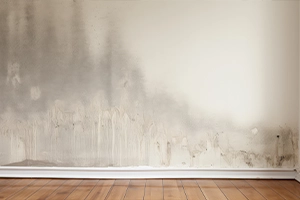
Pipes inside condo walls can be tricky to handle because they sit between common and exclusive elements. In general, responsibility will depend on who owns the pipes.
Pipes that serve multiple units usually belong to the association. These include vertical plumbing stacks, shared water supply lines, and main drain lines. The association must repair leaks in these pipes.
Pipes that serve only one unit may belong to the unit owner. These include branch water supply lines within the unit boundary, drain lines connected to only one unit, and appliance water lines.
Some associations define responsibility based on pipe location. Pipes inside unit walls may belong to the owner, whereas pipes inside shared structural walls may belong to the association. The governing documents should shed more light on this issue.
Does Condo Insurance Cover Water Damage to Other Units?
Insurance plays a critical role when leaks damage multiple units. Owners often ask what will happen when water damage from the condo above me affects their property.
Two main insurance policies apply:
- Condo Master Policy. This policy covers common elements and structural components. Coverage may include shared plumbing and building structure.
- Unit Owner HO-6 Policy. This policy covers interior finishes, personal property, and liability. Owners rely on this policy when leaks damage their units.
Coverage depends on policy type. Some master policies cover original interior finishes, but others cover only structural components. If an upstairs owner causes a leak, their insurance may cover liability claims. The affected owner may first file a claim with their own insurer. The insurance company may seek reimbursement later.
Insurance deductibles may also come into play. Some associations assign deductibles to responsible unit owners, while others use the operating fund to cover the deductibles.
Clarifying Repair Obligations
A water leak in condo buildings can be stressful to navigate, but understanding who is responsible can make the repair process smoother. Both board members and unit owners must review state laws and the governing documents to understand their maintenance obligations.
Keymont Community Management offers condo management services to associations in Virginia, Maryland, and Washington, DC. Call us today at 703.752.8300 or request a proposal to get started!
RELATED ARTICLES:
- The Real Value Of Condo Management For Unit Owners
- 13 Common Issues In A HOA That The Board Must Be Ready For
- How Much HOA Fee Is Too Much? Factors Boards Should Review First