It is the board’s job to enforce rules on spring pet waste in HOA communities. During this season, pet activity increases, leading to more complaints about animal waste in common areas. By enforcing the rules fairly, the board can keep the community clean and minimize disputes.
The Importance of Handling Spring Pet Waste in HOA Communities
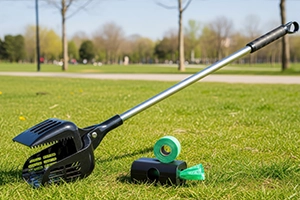
Animal waste is a normal occurrence in HOAs and condo communities that allow pets. To ensure cleanliness, associations enforce strict rules that require owners to pick up after their furry friends.
Pet waste control is very important. Dog waste, in particular, can carry parasites and bacteria like Salmonella and Giardia. Accumulated waste can also attract pests, such as rodents and other critters. Before long, the neighborhood might have a full-blown pest infestation on its hands.
There’s also the issue of spring runoffs. These runoffs can carry waste into local water sources, contaminating the aquatic life.
If nothing else, boards must enforce pet waste rules to maintain the community’s appearance. Pet waste makes shared spaces filthy and unusable. In the end, owners may experience a drop in property values.
Why HOA Pet Waste Issues Spike in Spring
Spring brings warmth, life, and blooms to communities, but it can also trigger an increase in pet waste. There are several reasons behind this.
First, residents tend to spend more time outdoors in the spring, taking their pets with them. As the weather improves, pet owners walk their dogs, use common areas, and visit green spaces. This naturally creates more opportunities for waste to be left behind.
Second, spring also makes existing problems more visible. In colder months, fewer people may notice pet waste, as it can get buried under leaves, dormant grass, or winter debris. Once the snow melts and the landscape turns green again, waste becomes easier to spot.
Finally, behavior can change over the seasons. Some owners might become less consistent about cleaning up after their pets due to a shift in routines. Longer walks, more outdoor time, and busier common areas can all lead to carelessness.
To counteract spring pet waste in HOA communities, boards must enforce the rules consistently and provide alternatives to residents. This will help keep the environment clean and healthy while limiting complaints from neighbors.
How to Minimize HOA Spring Pet Waste Issue
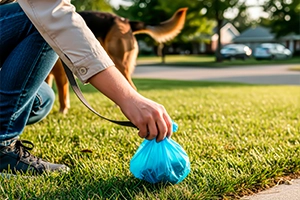
Pet waste may be a normal part of spring, especially in pet-friendly neighborhoods, but that doesn’t mean boards have no options. Here’s how to minimize spring pet waste in HOA communities.
1. Remind Residents of Rules
Boards should educate residents about the rules concerning spring pet waste in HOA communities. Pet owners must clean up any waste their pets leave, and violations can result in fines.
It is important to use simple language for these rules. This way, residents can easily understand them. It’s also a good idea to remind residents of these rules as the spring season begins. Include them in newsletters, emails, or community portals. Common areas should also have signs about pet waste cleanup.
2. Verify Complaints First
Residents might accuse their neighbors of breaking pet waste rules, but boards should be careful not to jump to conclusions. Board members must verify complaints by looking at photos, inspection notes, and manager observations. Having evidence will help reduce personal disputes and weed out false claims.
3. Enforce Rules Fairly and Consistently
Selective enforcement should never be tolerated. Boards should enforce the same rule the same way for everyone. Don’t make any exceptions for owners just because they are friends or relatives. Objectivity is the name of the game.
4. Follow a Standard Enforcement Process
After the board confirms a violation has occurred, it shouldn’t immediately penalize the owner. Violation processes must follow key steps outlined in the governing documents.
State laws also play a role here. In Virginia, for instance, Section 55.1-1819 requires associations to give owners a chance to correct the alleged violation after providing them with written notice. If the owner doesn’t correct it, the association must allow them to attend a hearing before the board.
5. Document Everything
Proper documentation promotes transparency and accountability. It can also help the association if legal disputes arise. The board should always keep a record of complaints, dates, notices, photos, and owner responses.
6. Install Pet Waste Stations
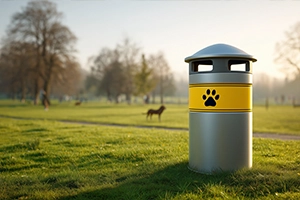
Apart from enforcing rules, associations can help reduce spring pet waste in HOA communities by installing pet waste stations. These stations should include bags and disposal bins, making it easy for owners to clean up after their furry friends.
The HOA or condo board should be strategic about placement. High-traffic areas, dog parks, and walking trails are good places to add stations. Boards should also make sure to stock these stations well and empty the bins regularly.
7. Review Pet Policies Regularly
Association needs and statutory regulations can change over time, prompting changes to pet rules as well. The board should regularly review its pet rules to update outdated provisions or clarify vague language. Clear rules make it easier for owners to follow them.
Understanding Fair Housing Rules
Some associations may wonder whether or not pet waste rules apply to service animals or emotional support animals. While HOAs and condos must make reasonable accommodations for residents with disabilities, the rules generally still apply to them.
Of course, the board should treat such cases with care and professionalism. There are considerations to make, especially if the resident’s disability makes it difficult for them to pick up after the animal. Don’t jump straight to standard enforcement.
Instead, the board should open an accommodation process and look at whether practical changes are necessary. Working with the resident on a solution to achieve the same outcome (pet waste cleanup) is the best way to go.
When All’s Said and Done
Spring sees a rise in pet activity, which often results in a spike in pet waste in neighborhoods. Boards can handle this issue by consistently enforcing rules on spring pet waste in HOA communities. Installing pet waste stations is also a good idea. That said, the board should approach fair housing-related topics carefully.
Keymont Community Management offers expert HOA management services to associations in Virginia, Maryland, and Washington, DC. Call us today at 703.752.8300 or request a proposal to start your journey!
RELATED ARTICLES:
- Handling HOA Violations: A Guide For Virginia HOA Boards
- Hoarding In HOAs: Are There Regulations In Virginia?
- HOA Problems And Challenges Boards Should Prepare